

This requirement also comes from the accounting standard for inventories. Any company that owns intangible assets such as software, patents, etc., will maintain an accumulated amortization account. Similar to depreciation, this account plays a significant role in representing the book value of a company’s assets. To avoid inflating accounts receivable, businesses use the Allowance for Doubtful Accounts (ADA) to estimate the amount they might not collect. Within equity, an example of a contra account is the treasury stock account; Bookkeeping vs. Accounting it is a deduction from equity, because it represents the amount paid by a corporation to buy back its stock.

Why Contra Asset Accounts Matter in Accounting
- Still, the dollar amounts are separately broken out in the supplementary sections most of the time for greater transparency in financial reporting.
- In business bookkeeping, contra asset accounts play a crucial role in managing financial data and guiding strategic decisions by providing a clear picture of the true value of assets and net revenue.
- Businesses experience a world of benefits from maintaining accurate contra account records.
- Businesses estimate a portion of outstanding receivables may not be collected, and this uncollectible amount is recorded here.
It is linked to specific accounts and is reported as reductions examples of contra asset accounts from these accounts. As your business acquires new assets (e.g., machinery, office equipment, vehicles), you record the initial purchase value in your Fixed Asset account. But these items don’t retain that initial value; if liquidated, they would likely be sold at a loss. In order to record this ongoing value drop, you would use a corresponding contra account — an Asset Depreciation account.
Connection to Income Statement
Businesses must know these differences to guarantee accurate financial reporting and avoid misclassification errors. That car is an asset because it has value and will be used to generate income. Over time, though, the car loses value due to wear and tear—a process we call depreciation. Instead, we use a contra asset account called Accumulated Depreciation to track how much value the car has lost. Companies bury them in the footnotes and often don’t break out the actual calculation. Still, it is important when possible to consider how the net accounts are calculated and be wary of companies that are reporting a ton of bad debts.
What is the Difference Between a Contra Asset and a Contra Liability?
- The Allowance for Doubtful Accounts carries a credit balance that reduces the total amount of accounts receivable to show the amount that the company expects to collect.
- A less common example of a contra asset account is Discount on Notes Receivable.
- They are also the result of globally accepted accounting principles for accurately reporting financial numbers.
- It helps reduce the reported value of assets, liabilities, or revenue on financial statements.
- This decreases the number of outstanding shares and affects per-share metrics.
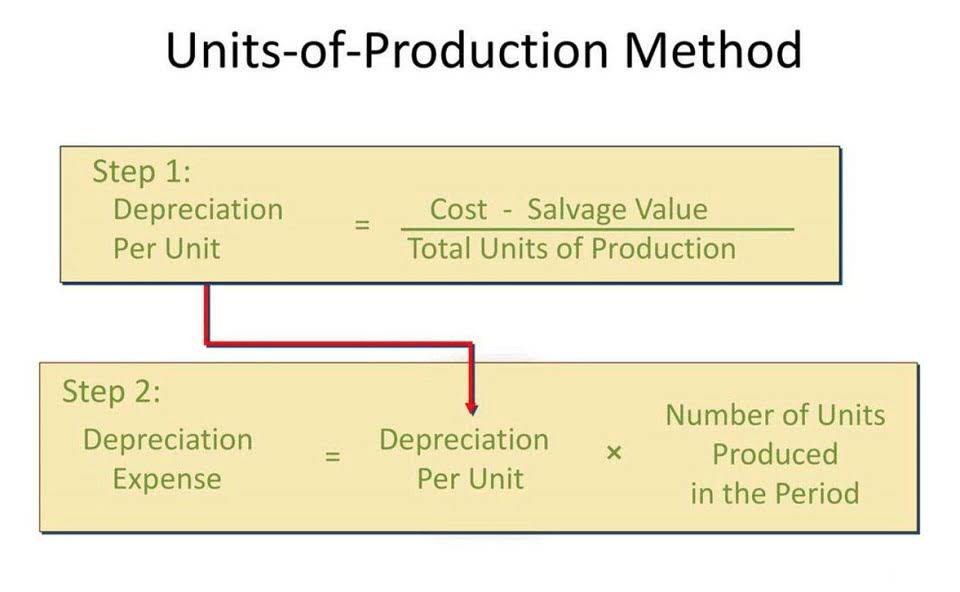
- Depreciation is calculated using methods such as straight-line or declining balance to allocate an asset’s cost over its useful life.
Another common contra liability account is a Discount on Bonds Payable account used by businesses that issue their own bonds. This accounting tool presents a more accurate and transparent view of financial information. Businesses use contra accounts to maintain the original recorded value of an item while reflecting any reductions or adjustments. This ensures financial statements provide a clear and comprehensive picture of an entity’s financial standing. This is the reason they are categorized as a contra account as the normal asset accounts have positive or debit balance.
AccountingTools
- This contra account holds a reserve, similar to the allowance for doubtful accounts.
- The receivable is a promise from the buyer to pay the seller according to the terms of the sale.
- It is only prudent to show the reduction or reserve in a separate account, and at any point, it gives us the netbook value explaining what the actual cost was and how much of that has been depreciated.
- This general structure can be applied across all contra types, so if the parent account has a credit, the contra account will have a debit.
- Examples of contra expense accounts include Purchase Returns, Purchase Discounts, and Advertising Reimbursements.
For example, a company has total fixed assets worth of $50,000 for the https://all4condominio.com.br/2021/09/08/researching-pennsylvania-statutes/ year ended 2019. Netbook value or carrying amount of an asset is its historical cost less accumulated depreciation. Instead of reporting the assets at their carrying amount directly, assets are reported at their historical costs and are reduced to book value by reporting the allowance for depreciation along with it. By diligently reconciling these accounts, an entity can ensure that its accounting records show an accurate depiction of asset values, which is vital for both internal decision-making and external reporting. Contra-assets provide stakeholders with a more nuanced understanding of the company’s true financial health by reflecting the deterioration or reduction in value of assets.
Does a contra account mean I’m losing money?
The credit balance in the account Allowance for Doubtful Accounts tells us how much of the debit balance in Accounts Receivable is unlikely to be collected. Contra asset accounts help ensure financial statements are accurate and not overly optimistic. For example, without an allowance for doubtful accounts, a business might show a high accounts receivable balance even if it knows some customers won’t pay. Well, contra asset accounts give us a clearer picture of the real value of assets. Revenue is an income statement account, but it flows through to the equity section of retained earnings as well.